
Hojjat al Islam wal Muslimin Dr. Mohammad Hossein Bahrami: Twenty Chatbots in Islamic Humanities Will Be Introduced and Evaluated
The President of the Computer Research Center of Islamic Sciences, announcing that twenty chatbots in the field of Islamic humanities will be introduced during Research Week, pointed to the ongoing digital transformations and said that our educational and research system must clarify its stance toward artificial intelligence and take the lead in developing indigenous tools.
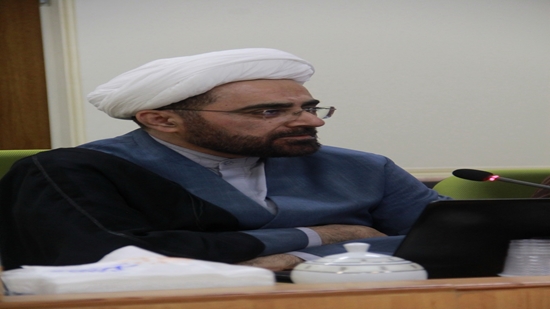
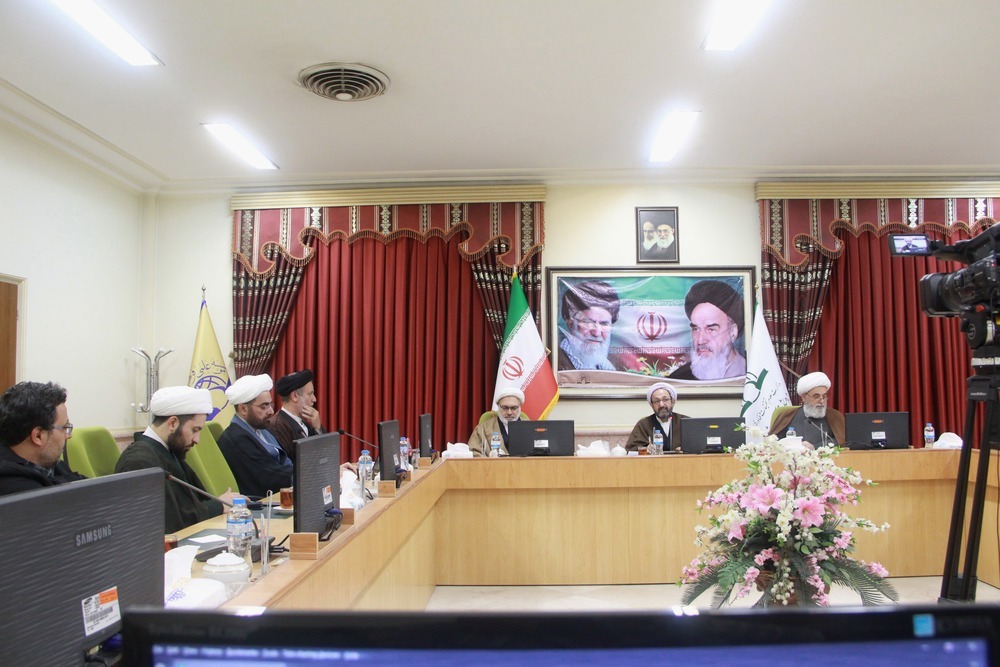
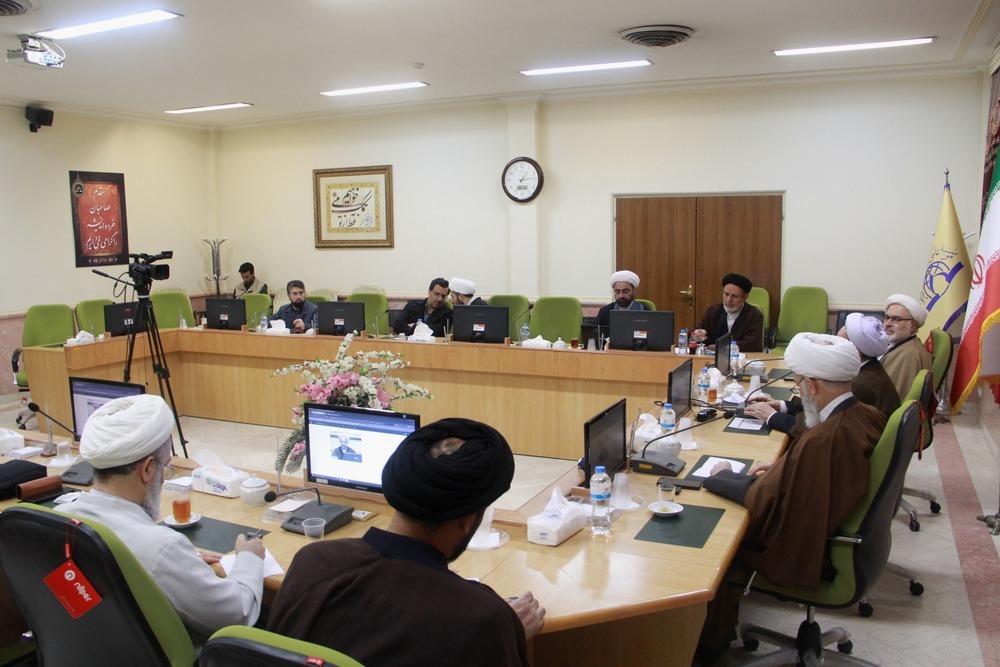
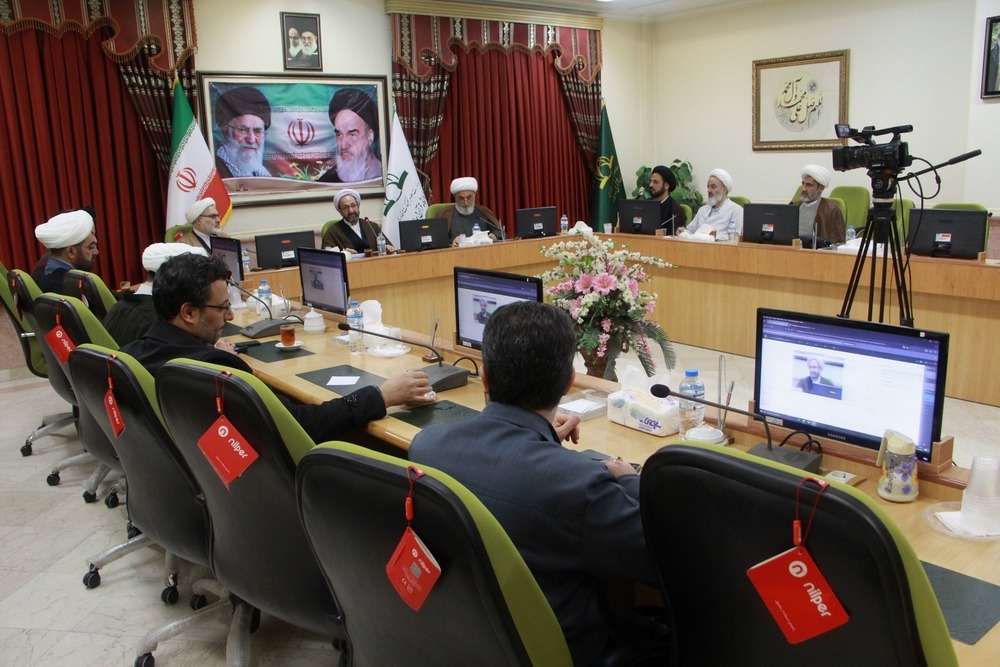
According to the Public Relations Office of the Quran and Hadith Research Institute, Hojjat al-Islam wal-Muslimin Dr. Mohammad-Hossein Bahrami, President of the Noor Computer Research Center for Islamic Sciences, speaking at the opening session of the Sixth Conference on Islamic Humanities titled “The School and Conduct of the Prophet Muhammad (peace be upon him and his family): Human-Building and Society-Shaping Islamic Humanities,” held at the Quran and Hadith Research Institute, stated:
“The question that must be raised—and emphasized—is this: In the age of artificial intelligence, what is the position of humanities research? What requirements does it entail, and what developments must occur for it?”
He pointed to the global attention to this field and added:
“Today, in order to address this issue, a new research discipline called ‘Digital Humanities’ has emerged. Unfortunately, we have paid too little attention to it.”
Hojjat al-Islam wal-Muslimin Dr. Bahrami, outlining the background of this discipline, said:
“It is nearly impossible to find a major academic or research institution in the humanities—especially in Western countries—that does not have activities in digital humanities. Academic programs, research projects, and specialized centers in this field are active worldwide.”
He described the evolution of the field and stated:
“Digital humanities began with the digitization of sources, and today it has reached discussions on ‘humanizing artificial intelligence’ and ‘humanizing digital tools.’ This discipline seeks to answer the question: What is the place of the human being in the age of artificial intelligence?”
The President of the Computer Research Center of Islamic Sciences referred to the challenges ahead and said:
“What issues and challenges do humanities researchers face in relation to artificial intelligence? The role of digital technologies and AI in our research grows stronger by the day.”
He elaborated on recent transformations and added:
“At first, we used computers merely for searching and retrieving sources. Gradually, classification and categorization tools assisted the writing process. Today, even compilation and production have come under their influence.”
Hojjat al-Islam wal-Muslimin Dr. Bahrami emphasized:
“We must clarify our relationship with artificial intelligence. Should the seminary student we train today be the same as one trained ten years ago? How is today’s research different from the past?”
He identified four essential pillars:
-
The permissible extent and method of using digital tools, which requires clear regulations.
-
Educating researchers to use these tools consciously and critically.
-
Developing indigenous tools to prevent the biases inherent in foreign technologies.
-
Designing the future of research based on the emerging landscape of artificial intelligence.
The President of the Noor Computer Research Center for Islamic Sciences announced the center’s upcoming initiatives and said:
“For this year’s Research Week, we will introduce and evaluate nearly twenty chatbot models in the field of Islamic humanities that have been developed in Iran and abroad.”
He concluded:
“We, at the Noor Computer Research Center for Islamic Sciences—especially in the Digital Islamic and Human Sciences Research Institute—express our readiness to contribute to opening new intellectual pathways in this field and to engage in collaborative projects.”
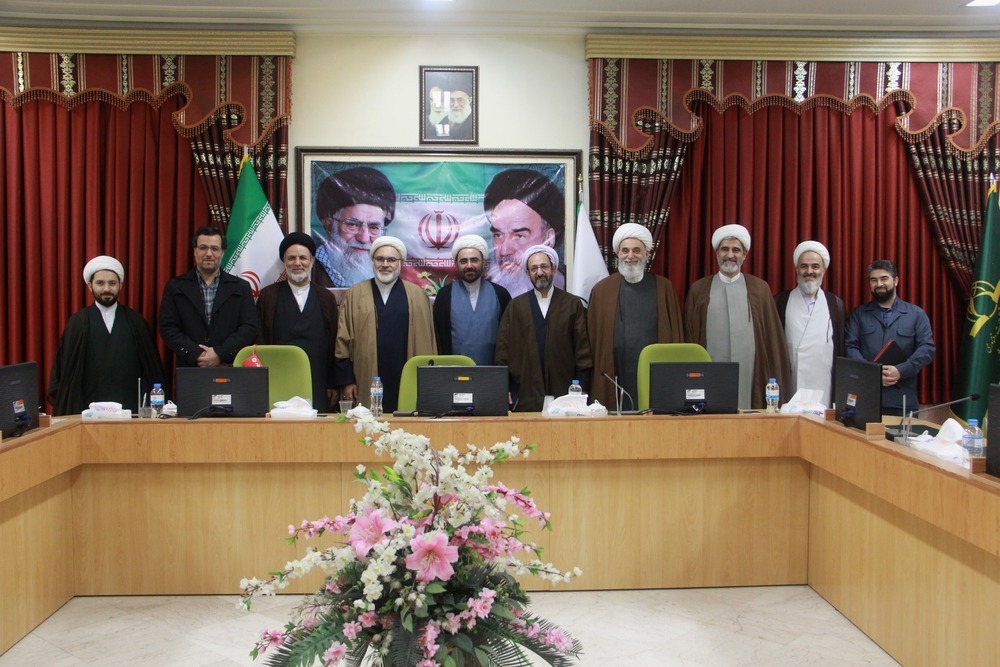
It is noteworthy that the opening ceremony of the Sixth Conference on “Islamic Humanities – Research and Technology,” held under the slogan “The School and Conduct of the Noble Prophet (peace be upon him and his family): Human-Building and Society-Shaping Islamic Humanities,” featured speeches by Ayatollah Reshad, President of the Islamic Cultural and Thought Research Institute, and Hojjat al-Islam Dr. Saeedi Roshan, Secretary of the Association of Islamic Humanities Research Institutes and President of the Seminary and University Research Institute; Dr. Berenjkar, President of the Quran and Hadith Research Institute; Dr. Lakzaei, President of the Islamic Sciences and Culture Research Institute; Dr. Shahriari, President of SAMT (Organization for Researching and Compiling University Textbooks); and Dr. Bahrami, President of the Noor Computer Research Center for Islamic Sciences.
The event, held in honor of Research Week 1404, took place on Saturday, 15 Azar 1404, in the conference hall of the Quran and Hadith Research Institute, with in-person and virtual participation from the presidents of member centers of the Association of Islamic Humanities Research Institutes, organized by the Secretariat of the Association in cooperation with the Quran and Hadith Research Institute.
For news and updates from the Quran and Hadith Research Institute, follow its Eitaa channel.

Reporter
content manager
photo